

What patients should know about treatments given before and after surgery
Most squamous cell carcinomas (SCCs) of the skin can be successfully treated with surgery alone. However, some tumors have characteristics that make them more likely to return or spread. These are considered high-risk squamous cell carcinomas and may require additional treatment.
For patients with high-risk SCC, healthcare providers may consider treatment before or after surgery. These approaches are called neoadjuvant therapy and adjuvant therapy.
In this video, Krista Rubin, MS, FNP-BC, a nurse practitioner specializing in skin cancer and AIM at Skin Cancer’s Ask a Skin Cancer Nurse, explains the differences between these treatments, how they work, and when they may be considered.
What Is Adjuvant Therapy?
Adjuvant therapy is treatment given after surgery to help reduce the risk of cancer returning.
Although surgery removes the visible tumor, certain features of the cancer may indicate a higher risk of recurrence. In these cases, additional treatment may be recommended.
Two types of adjuvant treatment for squamous cell carcinoma are radiation therapy and immunotherapy.
Radiation Therapy After Surgery
Radiation therapy uses high-energy radiation to destroy cancer cells.
For patients with high-risk squamous cell carcinoma, radiation may be recommended after surgery, particularly when:
- Positive margins are present: Cancer cells are found at the edge of the tissue removed during surgery, suggesting that some cancer may remain.
- The tumor is large or has other high-risk features: Certain characteristics increase the likelihood of recurrence.
- Cancer has spread to nearby lymph nodes: This may increase the risk of the disease returning.
- Cancer has grown around or along a nerve: This is called perineural invasion and can be associated with a higher risk of recurrence.
Radiation may also be considered when additional surgery is not possible or is not recommended.
Immunotherapy After Surgery
Immunotherapy helps the body’s immune system recognize and attack cancer cells.
One immunotherapy medication used to treat squamous cell carcinoma is cemiplimab (Libtayo). It belongs to a class of medications called immune checkpoint inhibitors.
These medications work by blocking signals that cancer cells can use to prevent the immune system from attacking them.
In October 2025, the U.S. Food and Drug Administration (FDA) approved cemiplimab as an adjuvant treatment for adults with cutaneous squamous cell carcinoma who have a high risk of recurrence after surgery and radiation.
This provides an additional treatment option for certain patients whose cancer has already been surgically removed but who remain at high risk of recurrence.
Not everyone with squamous cell carcinoma needs immunotherapy. The decision depends on the tumor’s characteristics, previous treatments, overall health, and other individual factors.
What Is Neoadjuvant Therapy?
Neoadjuvant therapy is treatment given before surgery.
Rather than treating the cancer after it has been removed, neoadjuvant therapy aims to shrink the tumor before surgery takes place.
This approach may help:
- Reduce the size of the tumor.
- Make surgery easier to perform.
- Potentially reduce the amount of tissue that needs to be removed.
- Make surgery possible for some tumors that would otherwise be difficult to remove.
For selected patients with high-risk squamous cell carcinoma, researchers are studying immunotherapy as a treatment before surgery.
How Does Neoadjuvant Immunotherapy Work?
Neoadjuvant immunotherapy helps the immune system attack cancer cells while the tumor is still present.
Cemiplimab has been studied in this setting, with patients receiving several doses before undergoing surgery.
Researchers have observed encouraging results. In some patients, tumors shrink significantly. In others, the tissue removed during surgery shows no remaining living cancer cells when examined under a microscope.
This is called a pathologic complete response.
A pathologic complete response means that no viable cancer cells were found in the tissue examined after treatment. It does not necessarily mean that a patient is permanently cured, but it is an important measure of how well treatment has worked.
Neoadjuvant immunotherapy for surgically removable cutaneous squamous cell carcinoma remains investigational in the United States and is not currently an FDA-approved treatment for this purpose.
Could Neoadjuvant Therapy Reduce the Need for Additional Treatment?
One of the most promising aspects of neoadjuvant therapy is the possibility that some patients may need less treatment after surgery.
When a tumor responds particularly well to immunotherapy before surgery, the healthcare team may be able to consider whether additional treatments are necessary.
For example, some patients who have a strong response may be candidates for observation rather than further radiation or immunotherapy.
However, this approach is still being studied. Not all patients respond in the same way, and treatment decisions must be based on each person’s individual circumstances.
What Is the Difference Between Adjuvant and Neoadjuvant Therapy?
Although both approaches may involve similar treatments, the primary difference is when treatment is given and what it is intended to accomplish.
| Adjuvant Therapy | Neoadjuvant Therapy |
|---|---|
| Given after surgery | Given before surgery |
| Aims to reduce the risk of recurrence | Aims to shrink the tumor before removal |
| May include radiation or immunotherapy | May include immunotherapy |
| Used for selected patients with higher-risk disease | Being studied for selected patients with higher-risk disease |
Questions to Ask Your Healthcare Team
If you have been diagnosed with high-risk squamous cell carcinoma, it is important to understand why a particular treatment is being recommended.
Consider asking your healthcare team:
- What makes my squamous cell carcinoma high-risk?
- Is surgery alone likely to be enough to treat my cancer?
- Would I benefit from radiation or immunotherapy after surgery?
- Is treatment before surgery an option for my situation?
- What are the potential benefits and side effects of these treatments?
- How will we know whether treatment is working?
- What follow-up care will I need?
Understanding Your Treatment Options
Treatment options for high-risk squamous cell carcinoma continue to evolve.
While surgery remains the primary treatment for most patients, advances in immunotherapy are creating additional possibilities for people whose cancers are more difficult to treat or have a higher risk of returning.
As emphasized in the video, patients should feel comfortable asking questions, understanding why treatments are recommended, and discussing their options with their healthcare team.
Understanding your diagnosis and the purpose of each treatment can help you make informed decisions about your care.
This article is intended for educational purposes only and is not a substitute for medical advice. Treatment decisions should always be discussed with your healthcare team.
Recent Posts
Nov. 20, 2026
Understanding Adjuvant and Neoadjuvant Treatments for Squamous Cell Carcinoma
Nov. 03, 2026
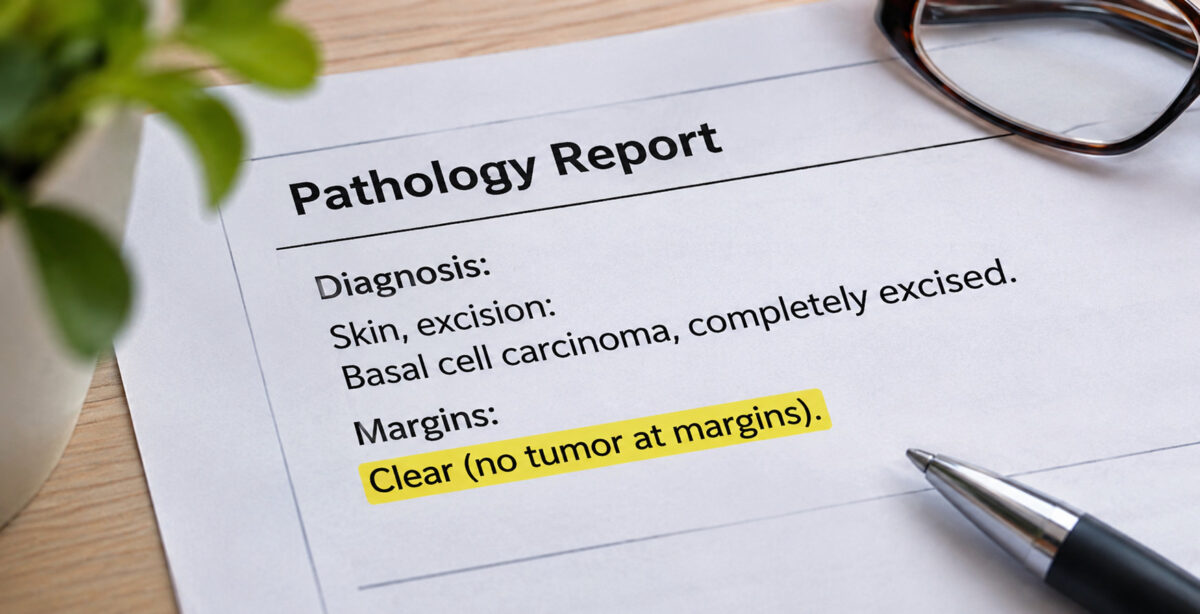
Question of the Month: What Are Clear Margins?

Oct. 22, 2026
Does Every Skin Cancer Need Surgery?

Oct. 01, 2026
Introducing Question of the Month: Quick Answers to Your Skin Cancer Questions

Sep. 23, 2026